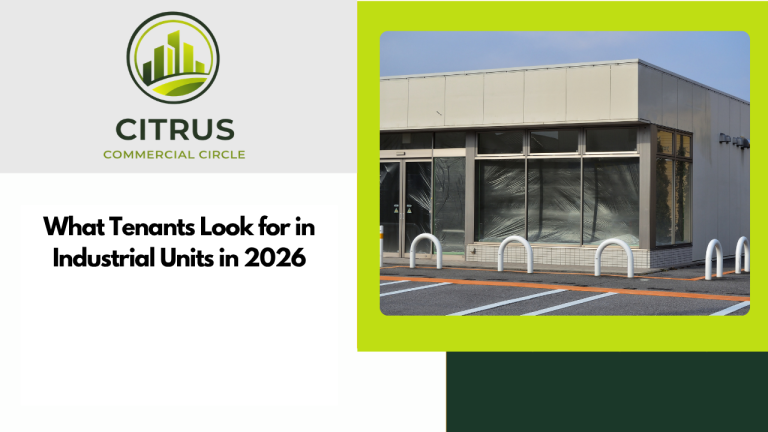
Why Some Commercial Properties Get Plenty of Viewings but Never Receive an Offer
A commercial property receives enquiry after enquiry.
The agent arranges viewings.
Businesses walk around the building.
They ask questions.
They request further information.
Then nothing happens.
No offer.
No negotiation.
No deal.
For a commercial landlord, this can be more frustrating than receiving very few enquiries in the first place.
The marketing appears to be working. Businesses are interested enough to arrange a viewing, yet something is preventing them from taking the next step.
When a commercial property receives plenty of viewings but consistently fails to generate offers, that pattern provides valuable information.
It often suggests the problem is not simply exposure.
Something changes between:
Seeing the property online
and
Experiencing the property in person.
For landlords across Bury, North Manchester and Greater Manchester, identifying that gap can be the difference between another six months of vacancy and securing the right tenant.
Viewings Are Not the Final Measure of Success
Commercial landlords can understandably become encouraged by viewing numbers.
Five viewings in a week sounds positive.
Ten enquiries sounds even better.
But the real objective is not activity.
It is:
Qualified offers from suitable occupiers.
A property receiving 30 viewings and no offers may actually be performing worse than one receiving five viewings and generating two serious negotiations.
The quality of the activity matters.
Look at the Full Conversion Journey
A useful way to analyse commercial property marketing is:
Listing → Enquiry → Viewing → Offer → Heads of Terms → Completion
Where are potential tenants dropping out?
Each stage tells the landlord something different.
If nobody enquires, the problem may sit with:
- Marketing
- Pricing
- Location
- Demand
If plenty of people enquire but few arrange viewings, the detailed specification may not match expectations.
If businesses repeatedly attend viewings but nobody offers, the property itself, its terms or its overall value proposition may be causing the problem.
High Viewing Numbers Tell Us Something Important
If businesses are arranging appointments, several parts of the marketing are probably already working.
The:
- Location
- Size
- Headline rent
- Photographs
- General description
are attractive enough to generate interest.
That is useful information.
Instead of immediately rewriting the entire marketing campaign or reducing the rent, the landlord should investigate what applicants discover once they arrive.
Does the Property Look Better Online Than It Does in Reality?
Good commercial property photography is important.
However, marketing should create interest without creating unrealistic expectations.
Problems can arise where:
- Photographs are several years old
- The building has deteriorated since photography
- External areas are not shown
- Images avoid obvious defects
- Photographs make yards appear larger than they are
The applicant arrives expecting one thing and experiences another.
That disappointment can kill momentum immediately.
Avoid Surprises at the Viewing
Commercial occupiers do not expect every building to be perfect.
What they dislike is discovering significant limitations they were not expecting.
For example:
“There are only three parking spaces.”
“The yard is shared.”
“The warehouse has extensive internal columns.”
“The offices occupy half the building.”
Accurate marketing can actually reduce total viewing numbers while increasing the quality of those viewings.
That is a good outcome.
Walk the Applicant’s Route
Landlords often inspect the inside of their vacant unit but overlook the journey a prospective tenant takes before reaching it.
Start at the estate entrance.
Then look at:
- Access road
- Signage
- Landscaping
- Parking
- Yard
- Front elevation
- Entrance
Would you feel confident bringing customers or employees there?
The Estate Entrance Can Influence the Whole Viewing
An applicant may have formed an opinion before entering the building.
Problems such as:
- Potholes
- Fly-tipping
- Broken gates
- Poor lighting
- Abandoned vehicles
can make the property feel poorly managed.
This matters particularly on multi-let industrial estates.
First Impressions Happen Quickly
Commercial property decisions ultimately involve detailed considerations such as:
- Rent
- Lease
- Business rates
- Fit-out
- Location
But the decision is still being made by people.
A building that immediately feels neglected can create resistance that becomes difficult to reverse.
Cleanliness Is One of the Simplest Improvements
A vacant commercial property does not necessarily require expensive refurbishment.
Sometimes it simply needs a proper clean.
Remove:
- Rubbish
- Old furniture
- Previous tenant signage
- Broken pallets
- Abandoned equipment
Then clean:
- Floors
- Toilets
- Kitchen areas
- Windows
- Offices
A clean property feels easier to occupy.
Smell Can Stop a Viewing Immediately
This is rarely mentioned in commercial brochures.
But prospective tenants notice:
- Damp smells
- Drain smells
- Stale air
- Previous food use
- Waste
An unexplained smell can create concern about hidden problems.
Investigate the cause rather than trying to disguise it.
Water Ingress Is a Serious Warning Sign
A prospective tenant walks into the warehouse.
There is a bucket beneath the roof.
They immediately start thinking about:
- Damaged stock
- Insurance claims
- Repair disputes
- Future disruption
Even an attractive rent may not compensate for that uncertainty.
Fix Obvious Functional Defects
If several applicants notice the same:
- Roof leak
- Broken shutter
- Faulty light
- Damaged door
- Drainage issue
continuing to conduct viewings without addressing it may simply produce the same result.
Repeated objections should trigger action.
Lighting Can Transform a Commercial Viewing
A poorly lit warehouse can appear:
- Smaller
- Older
- Dirtier
- Less secure
Before a viewing, make sure available lighting works.
Where appropriate, open shutters and allow natural light into the building.
The applicant needs to be able to understand the space properly.
Businesses Need to Visualise Their Operation
A good viewing allows the occupier to imagine:
- Racking
- Machinery
- Desks
- Stock
- Staff
- Deliveries
Clutter and poor presentation make this more difficult.
The aim is not to make an industrial unit luxurious.
It is to make its potential obvious.
The Layout May Be Different From What Applicants Expected
A listing says:
10,000 sq ft industrial unit.
The applicant arrives expecting a substantial open warehouse.
Instead, the property contains:
- 3,000 sq ft offices
- Multiple internal rooms
- Corridors
- Small storage sections
The overall measurement may be correct.
But the usable configuration does not suit the requirement.
Floorplans Can Improve Viewing Quality
An accurate floorplan can help applicants understand:
- Warehouse area
- Office content
- Loading points
- Entrances
- Internal arrangement
before they attend.
This can reduce unsuitable appointments.
Too Many Viewings Can Actually Indicate Poor Qualification
A landlord may initially think:
“The more viewings, the better.”
Not necessarily.
If every enquiry receives an appointment regardless of suitability, viewing numbers can become misleading.
Before arranging a viewing, the agent should ideally understand:
- Business activity
- Required size
- Budget
- Preferred location
- Timing
Ten Relevant Viewings Are Better Than Fifty Random Ones
Commercial agency should focus on the quality of enquiries.
A serious business with:
- Appropriate use
- Suitable budget
- Realistic timing
is far more valuable than several speculative appointments.
Proposed Use Can Explain Failed Viewings
A property may repeatedly attract businesses whose intended activity does not suit:
- Planning
- Estate management
- Landlord requirements
- Building specification
If this happens regularly, the marketing may be attracting the wrong audience.
Ask What the Business Actually Does
A prospective tenant saying:
“We need storage.”
does not tell the whole story.
Storage could mean:
- Clothing
- Building materials
- Vehicles
- Food
- Machinery
Each creates different property requirements.
Better qualification produces better viewings.
Parking Can Become a Major Problem
Photographs may show a substantial forecourt.
The applicant arrives and discovers:
- Parking is shared
- Spaces belong to other tenants
- Loading takes up most of the yard
For a business with 20 employees, this may immediately rule out the property.
Be Precise About Parking Rights
Commercial marketing should distinguish between:
- Allocated parking
- Shared parking
- Yard space
- Visitor spaces
Never rely on the applicant assuming correctly.
Industrial Occupiers Will Assess the Yard Operationally
A distribution company may spend more time examining the yard than the offices.
They are considering:
- HGV access
- Turning
- Reversing
- Loading
- Vehicle parking
If the yard does not work, the warehouse may not work.
A Good Warehouse Can Be Undermined by Poor External Space
This is especially important for:
- Logistics
- Distribution
- Building suppliers
- Vehicle businesses
The internal floor area is only one part of the property.
Access Restrictions May Only Become Obvious in Person
Possible problems include:
- Narrow gates
- Tight corners
- Low bridges
- Shared entrances
- Restricted access hours
These limitations should be understood before marketing where possible.
The Rent May Look Reasonable Online but Expensive After Inspection
An occupier sees:
£50,000 per annum
and thinks the rent appears reasonable.
Then they inspect the property.
The offices are dated.
The yard needs repair.
The lighting is poor.
Now £50,000 feels expensive.
The issue is not necessarily that the rent is fundamentally wrong.
It may be that the condition does not justify the rent.
Rent and Specification Must Align
A landlord seeking a premium rent generally needs to offer a competitive product.
If the building is tired while competing properties are refurbished, the market will notice.
Landlords should compare their property against the alternatives an occupier can actually choose.
Look at the Competition Like a Tenant
Search for comparable commercial premises.
Compare:
- Rent
- Condition
- Yard
- Parking
- Office content
- Lease terms
Then ask:
Why would a tenant choose ours?
There should be a clear answer.
Compare Achieved Deals, Not Just Asking Prices
A competing landlord advertising at £12 per sq ft does not prove £12 per sq ft is achievable.
That property may also have been vacant for twelve months.
Completed letting evidence and genuine applicant feedback provide stronger guidance.
Total Occupational Cost May Be the Real Problem
The headline rent works.
Then the prospective tenant discovers:
- Service charge
- Insurance contribution
- Business rates
- VAT
The total cost is now beyond budget.
This can explain why businesses attend viewings but do not offer.
Give Cost Information Early
Where available, applicants should be given clear information about additional occupational costs.
This saves everyone time.
Service Charges Need to Be Understandable
A tenant may accept a service charge when they understand what it covers.
For example:
- Estate maintenance
- Security
- Lighting
- Landscaping
Unexplained charges can create concern.
Business Rates Can Change Affordability
Business rates can represent a significant cost for commercial occupiers.
Prospective tenants should investigate their likely liability and any relief potentially available to them.
Rateable-value information can be checked through the official Valuation Office Agency service.
The Lease Length May Be Preventing Offers
The applicant likes the property.
The rent works.
Then they discover:
The landlord requires a ten-year lease with no break.
A growing SME may decide the commitment is too great.
The property has not failed.
The proposed lease structure may simply not suit the target tenant.
Lease Strategy Should Match the Market
A landlord seeking:
- Start-ups
- SMEs
- Growing businesses
may need to consider what level of flexibility the market expects.
That does not mean accepting weak terms.
It means structuring the deal commercially.
Break Clauses Can Sometimes Unlock Transactions
A tenant may accept a longer contractual lease if there is an agreed break opportunity.
The landlord must consider:
- Investment strategy
- Tenant covenant
- Future plans
The appropriate structure differs from property to property.
Deposits Can Affect Conversion
Suppose a tenant expects:
- First month’s rent
- Three-month deposit
Then discovers the landlord wants:
- Six months’ deposit
- Rent in advance
- Personal guarantee
The upfront requirement may make the transaction impossible.
Security Should Reflect Risk
Landlords should appropriately assess the proposed tenant.
Relevant information may include:
- Trading history
- Accounts
- Business background
- Directors
Public company information can be reviewed through Companies House.
The appropriate level of security can then form part of negotiations.
Repair Obligations Can Prevent Offers
Older commercial property can create another concern.
The tenant sees a building requiring work and then learns the proposed lease contains substantial repairing obligations.
They may fear inheriting historic defects.
A Schedule of Condition Can Sometimes Help
Where agreed between the parties, a Schedule of Condition can record the state of the property at lease commencement.
The lease can then refer to that schedule as appropriate.
Tenants and landlords should obtain suitable legal and surveying advice.
Landlord Works Can Unlock a Deal
Sometimes viewing feedback is very specific:
“We would take the property if the roof leak was repaired.”
That is useful.
The landlord can compare:
Cost of repair
against
Value of securing the letting.
Ask What Is Actually Preventing the Offer
This is one of the most valuable questions in commercial property agency:
“What is stopping you proceeding?”
Do not guess.
Ask.
Do Not Automatically Offer a Rent Reduction
If the problem is:
No working toilet
then £2,000 off the annual rent does not solve the problem.
If the issue is:
We need a break clause
then repainting the warehouse does not solve it.
Identify the objection first.
Repeated Feedback Becomes Market Evidence
One applicant saying the offices are dated is an opinion.
Seven applicants saying the same thing is a pattern.
Landlords should pay attention to repeated independent feedback.
Keep a Viewing Feedback Log
Useful categories can include:
- Rent
- Condition
- Size
- Layout
- Yard
- Parking
- Location
- Lease terms
- Timing
- Proposed use
After several viewings, the main barriers usually become clearer.
Agents Should Interpret Feedback
A landlord needs more than:
“We had four viewings this week.”
A better update is:
“Three of the four applicants considered the warehouse suitable, but all three raised concerns about insufficient parking.”
That gives the landlord something useful to act upon.
Follow-Up Speed Matters
Commercial applicants often view several properties within a short period.
The agent should follow up promptly.
Momentum disappears surprisingly quickly.
Ask Specific Questions After the Viewing
Instead of:
“What did you think?”
ask:
- Did the size work?
- Was the yard sufficient?
- Was the rent within budget?
- Did the location work?
- What prevented you making an offer?
Specific questions produce better feedback.
Some Applicants Need Encouragement to Submit an Offer
A business may like the property but assume the asking terms are fixed.
Where appropriate, the agent can invite the occupier to put forward a proposal.
An offer creates something tangible to negotiate.
This Does Not Mean Promising a Discount
Encouraging an offer is different from telling applicants that everything is negotiable.
The landlord’s position should remain clear.
Second Viewings Are Important
An applicant returning with:
- Director
- Surveyor
- Operations manager
- Contractor
is demonstrating stronger intent.
The agent should understand what remaining issues need to be resolved.
Technical Due Diligence Should Be Facilitated
A manufacturer may need an electrician to assess power.
A food operator may need to examine extraction possibilities.
A logistics company may want to test vehicle access.
Helping serious applicants answer these questions can improve conversion.
Property Information Should Be Ready
Applicants can lose momentum when they repeatedly ask for information that cannot be provided.
Depending on the property, useful information can include:
- EPC
- Floorplan
- Service charge
- Utility details
- Site plan
The more organised the landlord, the easier the transaction.
Uncertainty Creates Risk in the Applicant’s Mind
If every question receives:
“We don’t know.”
the occupier begins wondering what else is unknown.
Good property information builds confidence.
Electrical Capacity Can Be Critical
Industrial applicants increasingly ask detailed questions about power.
If the property is being marketed towards:
- Manufacturing
- Engineering
- Production
it can be useful to understand the existing electrical supply.
“Three-phase” alone may not answer a sophisticated occupier’s requirements.
Broadband Can Stop Office Deals
Modern businesses depend heavily on:
- Cloud software
- Video meetings
- Online systems
- VoIP
Poor connectivity can therefore influence whether an office property receives an offer.
Toilets and Kitchens Have an Outsized Effect
These spaces represent a relatively small percentage of the building.
Yet prospective tenants inspect them closely.
Dirty or badly damaged facilities can make the whole property feel poorly maintained.
Common Areas Matter
A landlord may spend heavily refurbishing an office suite.
But the prospective tenant reaches it through:
- Dirty entrance
- Damaged corridor
- Poorly lit staircase
The occupier judges the whole building.
Lift Condition Can Affect Upper Floors
For multi-storey offices, a poor or unreliable lift can materially affect perception.
Upper-floor accommodation needs practical access.
This is particularly important where staff numbers or customer visits are significant.
Security Can Become a Deal-Breaker
A business storing valuable:
- Tools
- Stock
- Vehicles
- Machinery
may reject a property if the site feels insecure.
Potential considerations include:
- CCTV
- Gates
- Fencing
- External lighting
Security features should be explained accurately during the viewing.
Neighbouring Businesses Influence Perception
Applicants look around the estate.
They notice:
- Tenant mix
- Parking behaviour
- Noise
- Cleanliness
A well-managed commercial estate can create confidence.
A poorly managed one can undermine an otherwise good unit.
Tenant Mix Should Be Managed Strategically
Certain occupiers may create:
- High traffic
- Noise
- Parking pressure
This can affect neighbouring businesses.
Commercial landlords should think about how different uses interact across an estate.
Signage Can Matter More Than Expected
A trade counter or showroom may like the property but reject it because customers cannot find it.
Visibility can be a major part of the business model.
Landlords should understand what signage can reasonably be accommodated.
Planning Uncertainty Can Prevent Offers
An applicant may require a different use from the property’s existing planning position.
If the business considers the planning risk too high, it may not proceed.
General planning information is available from the official Planning Portal.
Property-specific professional advice should be obtained where necessary.
Conditional Offers May Be Possible
Some transactions can progress with an offer subject to matters such as:
- Planning
- Survey
- Agreed landlord works
This can keep momentum while outstanding issues are investigated.
Timing Can Be the Hidden Problem
The applicant needs to move in next month.
The landlord’s refurbishment will take twelve weeks.
Neither party is necessarily being unreasonable.
The timing simply does not match.
Ready-to-Occupy Space Can Convert Faster
Businesses dealing with:
- Lease expiry
- Expansion
- Urgent relocation
often favour properties requiring limited work before occupation.
For certain markets, completing essential repairs before marketing can therefore improve conversion.
Vacant Property Should Feel Functional
This does not require expensive finishes.
A commercial unit should ideally feel:
- Dry
- Secure
- Clean
- Functional
- Ready for fit-out
That removes uncertainty.
Be Specific About Landlord Works
Avoid statements such as:
“The landlord will sort the roof.”
Instead, where agreed, document precisely what is being completed.
Specific commitments create confidence.
Communication Can Influence the Applicant’s Decision
If it takes ten days to answer every simple question, the prospective tenant may wonder how responsive management will be once they occupy.
Professional communication is part of the commercial proposition.
Make Viewings Easy to Arrange
Poor key management and repeated cancelled appointments can lose applicants.
Commercial property searches are often time-sensitive.
Access should be organised.
The Agent Needs to Know the Building
An agent should be able to explain basic information such as:
- Rent
- Size
- Parking
- Access
- Charges
They do not need to provide legal or technical advice outside their expertise.
But they should understand the asset they are marketing.
Accuracy Builds Trust
If a listing says:
“Large secure yard”
and the applicant discovers a small shared forecourt, credibility disappears.
Commercial marketing should sell the property strongly while remaining accurate.
Sometimes the Wrong Audience Is Being Attracted
A broad description may generate large numbers of irrelevant enquiries.
More targeted positioning can reduce total enquiries while increasing genuine prospects.
Quality Is More Important Than Volume
This applies throughout the letting process.
A landlord does not need:
100 enquiries.
They need:
one suitable tenant capable of completing on acceptable terms.
Direct Marketing Can Help Specialist Property
Some buildings appeal to a relatively narrow group of occupiers.
Agents can sometimes identify businesses that may benefit from the space and contact them directly.
This is particularly useful for:
- Large industrial units
- Trade locations
- Secure yards
- Specialist premises
Existing Local Businesses Can Be Excellent Prospects
Companies already operating nearby may need:
- More storage
- Expansion
- Better premises
- Additional yard
These businesses already understand the location.
Commercial Boards Still Have Value
Digital marketing is essential.
But physical boards can generate enquiries from:
- Neighbouring businesses
- Suppliers
- Local business owners
A good marketing strategy can use both.
Online Listings Need More Than a Few Photographs
The listing should communicate the building’s practical strengths.
For industrial property, that may include:
- Eaves height
- Loading
- Power
- Yard
- Parking
- Access
The more relevant the information, the better the enquiry quality.
Review Marketing After Repeated Failed Viewings
Ask:
Does the online listing accurately prepare applicants for what they will see?
If not, change it.
A more accurate advert may generate fewer viewings but more serious prospects.
Repositioning Can Be More Effective Than Discounting
An older unit marketed as premium warehouse accommodation may struggle.
The same property could potentially perform better marketed honestly around its strengths:
Affordable workshop and storage accommodation.
The building has not changed.
The market positioning has.
Rent Still Needs Reviewing
None of this means landlords should ignore price.
If the evidence shows the property is overpriced, the asking rent should be reconsidered.
But price should be reviewed after understanding the wider evidence.
Make Pricing Changes Meaningful
Tiny reductions may have little impact.
If a property needs repositioning on price, the adjustment should be commercially meaningful and supported by market evidence.
Incentives Can Address Different Problems
Sometimes the rent itself is acceptable but the tenant faces significant initial expenditure.
A negotiated rent-free period may assist with:
- Fit-out
- Relocation
- Initial cash flow
The structure should reflect the circumstances of the transaction.
Landlord Works Can Sometimes Be Better Than Rent-Free
A tenant may prefer the landlord to spend money solving a specific building problem.
For example:
- Roof repairs
- Lighting
- Electrical works
This can create a stronger property for both the incoming tenant and the landlord.
Know the Landlord’s Negotiating Position
Before serious offers arrive, the landlord should understand:
- Target rent
- Minimum acceptable rent
- Preferred lease length
- Incentive flexibility
- Security requirements
This allows quicker decision-making.
Slow Decisions Can Lose Good Tenants
A serious business makes an offer.
The landlord waits two weeks to respond.
Meanwhile, the business agrees terms elsewhere.
Commercial negotiations require proper consideration, but unnecessary delay destroys momentum.
Treat Offers Commercially
A low offer is not an insult.
It is information.
The landlord can:
- Reject
- Counter
- Restructure
A professional negotiation keeps options open.
Several Small Problems Can Combine Into One Big Problem
Sometimes no single issue explains the lack of offers.
Instead, the property has:
- Slightly high rent
- Dated offices
- Poor lighting
- Inflexible terms
Individually, each might be manageable.
Together, they make competing properties more attractive.
Think About Product, Price and Terms
A useful framework is:
Product
Is the building competitive?
Price
Does the cost reflect the property?
Terms
Is the proposed deal appropriate for the target occupier?
All three influence conversion.
Vacancy Should Produce Information
Every unsuccessful viewing should teach the landlord something.
The mistake is conducting 40 viewings over a year and changing nothing.
Create Formal Review Points
A landlord might review strategy after:
- Five serious viewings
- One month
- Three months
Look at:
- Enquiries
- Viewings
- Feedback
- Offers
Then decide whether changes are required.
Measure What Happens After Changes
If the landlord:
- Repairs the unit
- Updates photography
- Changes terms
- Adjusts price
track whether conversion improves.
This creates an evidence-led marketing strategy.
Good Commercial Agency Is Active
Commercial agency should involve more than:
Upload listing → Wait → Reduce rent.
A strong letting strategy involves:
- Targeting
- Feedback
- Negotiation
- Repositioning
- Follow-up
The agent should help interpret what the market is saying.
Citrus Commercial Circle’s Market Insight
At Citrus Commercial Circle, a commercial property receiving plenty of viewings but no offers is something we pay close attention to.
It tells us the initial marketing is doing enough to create interest.
The next question is:
What happens once applicants experience the property?
We look at:
- Condition
- Layout
- Yard
- Parking
- Price
- Lease terms
- Applicant feedback
Then we look for patterns.
If one applicant raises an issue, we note it.
If multiple independent applicants raise exactly the same issue, that becomes meaningful market evidence.
The solution could be:
- A repair
- Better presentation
- Different marketing
- More appropriate lease terms
- A rent adjustment
But the decision should be based on evidence rather than assumption.
Final Thoughts
Lots of commercial property viewings can look encouraging.
But viewings without offers are telling the landlord that something needs investigation.
The strongest question is not:
“How many viewings have we had?”
It is:
“Why didn’t those businesses proceed?”
That can reveal issues involving:
- Condition
- Price
- Layout
- Parking
- Access
- Lease structure
- Marketing
Once the real objection is understood, the landlord can respond strategically.
Commercial property marketing should operate as a feedback loop.
Listen to the market.
Identify patterns.
Make targeted improvements.
Measure what happens next.
Because the objective is not a full viewing diary.
It is securing the right occupier on commercially sensible terms.
At Citrus Commercial Circle, we help commercial landlords across Bury and North Manchester turn market feedback into practical letting strategies designed to improve enquiry quality, viewing conversion and transaction outcomes.
Based in Bury. Active across North Manchester. Always on your side.
Call us today: 0161 383 1806
Email: info@citruscommercialcircle.co.uk
Visit: citruscommercialcircle.co.uk
Let’s unlock the full potential together.
Citrus Commercial Circle – Where standards meet success.