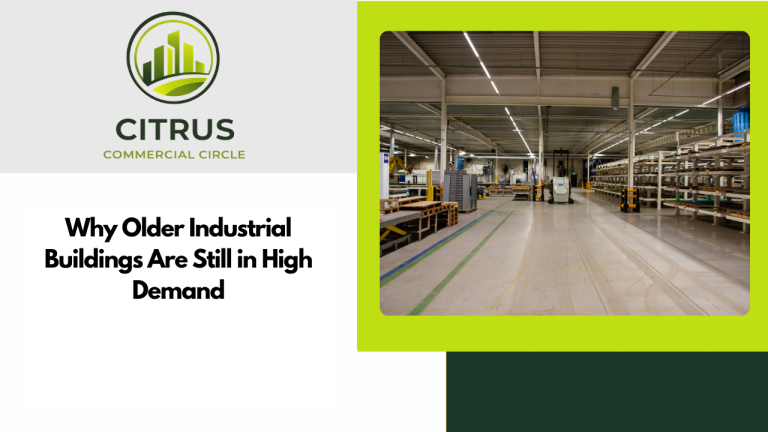


Commercial Property vs Residential Investment: Which Offers Better Returns in the North West?
A common question for investors
For many investors, particularly those entering the property market or expanding their portfolio, one question arises early: should you invest in commercial property or residential property?
Both sectors offer opportunities, but they operate very differently. Returns, risk profiles, tenant relationships, and management requirements can vary significantly.
Across the North West, including Bury, North Manchester, and surrounding areas, both markets remain active. At Citrus Commercial Circle, we regularly advise investors on where best to position their capital based on their goals, risk appetite, and long-term strategy.
This guide explores the key differences and helps answer which option may offer better returns in today’s market.
1. Understanding the fundamentals
Residential property typically involves letting homes to individuals or families, often on assured shorthold tenancies. Commercial property, on the other hand, includes offices, retail units, industrial space, and development land, let to businesses.
While both generate rental income, the structure and scale of that income differ significantly.
2. Rental yields: commercial often leads
One of the most noticeable differences is rental yield.
In general:
- Residential yields in the North West typically range from around 4% to 7%
- Commercial yields can range from 6% to 10% or more, depending on the asset
Industrial units and multi-let estates, in particular, can deliver strong returns due to high demand and limited supply.
While higher yields often come with higher perceived risk, they also provide greater income potential for investors.
3. Lease length and income stability
Commercial leases are typically longer than residential tenancies.
Commercial property:
- Lease terms often range from 3 to 10 years or more
- Tenants may commit to longer periods
- Income can be secured for extended durations
Residential property:
- Tenancies are usually 6 to 12 months
- Turnover is more frequent
- Greater management involvement is required
Longer leases in commercial property can provide stability and predictable income, particularly when let to strong tenants.
4. Tenant responsibilities
One of the key advantages of commercial property is the structure of lease agreements.
In many cases, commercial leases are Full Repairing and Insuring (FRI), meaning tenants are responsible for:
- Repairs and maintenance
- Insurance contributions
- Day-to-day upkeep
In contrast, residential landlords are typically responsible for most maintenance and compliance obligations.
This difference can make commercial property less management-intensive over time.
5. Void periods and risk
Residential property often benefits from consistent demand, as housing is always needed. However, commercial property can experience longer void periods if not managed correctly.
Key considerations:
- Residential voids are usually shorter but more frequent
- Commercial voids may be longer but less frequent
The risk in commercial property is offset by:
- Higher rental income
- Stronger tenant commitments
- Reduced turnover
Working with an experienced agent helps minimise these risks.
6. Capital growth versus income focus
Residential property is often associated with capital growth, particularly in high-demand housing areas.
Commercial property, however, is typically more focused on:
- Income generation
- Yield performance
- Asset value linked to rental income
That said, well-located commercial assets in growing areas such as Bury and North Manchester can also benefit from strong capital appreciation over time.
7. Market accessibility and entry point
Residential property is generally seen as more accessible for first-time investors due to:
- Lower entry prices
- Simpler financing structures
- Familiarity with the market
Commercial property may require:
- Higher initial investment
- Specialist lending
- Greater understanding of lease structures
However, many investors move into commercial property as they gain experience and seek stronger returns.
8. Flexibility and diversification
Commercial property offers a wide range of asset types, including:
- Industrial units
- Retail premises
- Office space
- Mixed-use buildings
- Development land
This diversity allows investors to build a more balanced portfolio and spread risk across different sectors.
Residential portfolios, while stable, are often less varied in terms of asset use.
9. The North West advantage
The North West continues to offer strong opportunities across both sectors.
For residential property:
- Consistent housing demand
- Strong rental markets in urban areas
For commercial property:
- High demand for industrial and SME space
- Growing interest in secondary towns such as Bury and Middleton
- Competitive pricing compared to larger cities
At Citrus Commercial Circle, we are seeing increasing investor interest in commercial assets across the region, particularly in industrial and mixed-use properties.
10. Which is the better investment?
There is no single answer. The right choice depends on your objectives.
Commercial property may be better suited if you:
- Want higher income yields
- Prefer longer-term lease security
- Seek lower day-to-day management
- Are comfortable with a more specialist market
Residential property may be more suitable if you:
- Prefer a familiar and accessible market
- Focus on capital growth
- Want a lower initial investment
- Are comfortable with more active management
Many investors choose to hold both, balancing income and growth across their portfolio.
11. The role of professional advice
Making the right investment decision requires a clear understanding of the market and your objectives.
At Citrus Commercial Circle, we support investors by:
- Identifying suitable commercial opportunities
- Advising on yields, risk, and demand
- Providing local market insight
- Supporting acquisitions and disposals
- Ensuring transactions are handled professionally
Our experience across Bury and North Manchester allows us to guide clients towards investments that align with their long-term goals.
Final thoughts
Both commercial and residential property offer valuable investment opportunities, but they serve different purposes. Commercial property often provides stronger income and longer-term stability, while residential investment offers accessibility and consistent demand.
Understanding these differences allows investors to make informed decisions and build portfolios that perform effectively over time.
At Citrus Commercial Circle, we are proud to help investors across the North West unlock opportunities and achieve strong, sustainable returns.
Based in Bury. Active across North Manchester. Always on your side.
Call us today: 0161 383 1806
Email: info@citruscommercialcircle.co.uk
Visit: citruscommercialcircle.co.uk
Let’s unlock the full potential together.
Citrus Commercial Circle – Where standards meet success.