

Renting Your First Commercial Property: What Business Owners Should Know Before Signing a Lease
Moving into your first commercial property can feel like a major milestone.
Perhaps the business started:
- At home
- In a garage
- From a small shared workspace
- Using self-storage
- From somebody else’s premises
Now the company needs somewhere of its own.
For many growing businesses, this is an exciting stage.
It can also be one of the first times the owner commits the business to a substantial long-term financial obligation.
Commercial property is very different from renting a house.
There may be:
- Business rates
- Repair obligations
- Service charges
- Insurance contributions
- Rent reviews
- Deposits
- Guarantees
The cheapest-looking property can sometimes become expensive once all the costs are understood.
Likewise, a slightly higher-rent property can occasionally provide much better value if it allows the business to operate efficiently.
For businesses across Bury, North Manchester and Greater Manchester, the key is to approach the first commercial property as a business decision, not simply a property search.
Start With the Business, Not Rightmove
A common mistake is opening commercial property portals and immediately searching:
“Warehouse near me.”
Before doing that, define what the business actually requires.
The property should follow the operation.
Write a Property Requirement
Create three categories:
Essential
Things the business cannot operate without.
Important
Things that would materially improve the property.
Desirable
Things that would be useful but are not essential.
This helps prevent emotion taking over during viewings.
Start With the Activity
What actually happens inside the premises?
For example:
- Storage
- Manufacturing
- Office administration
- Vehicle work
- E-commerce
- Trade counter
Different activities require completely different buildings.
Do Not Choose a Property Because It “Looks About Right”
A warehouse may appear large enough.
But the important question is whether it works operationally.
Think about:
- Stock
- Machinery
- Staff
- Deliveries
- Vehicles
Map how the business will use the building.
Floor Area Is Only the Beginning
Businesses often begin their search with a requirement such as:
“We need approximately 3,000 sq ft.”
That is useful.
But two 3,000 sq ft units can work completely differently.
Look at the Usable Layout
Consider:
- Internal columns
- Office content
- Corridors
- Stairs
- Low-height areas
A building can technically contain the right floor area while providing the wrong usable space.
Warehouse Height Can Matter
For businesses storing goods, eaves height can influence how efficiently the building can be used.
Appropriate racking may allow a business to use vertical capacity rather than taking a much larger floorplate.
Think in Cubic Capacity Where Relevant
A warehouse is three-dimensional.
A taller 4,000 sq ft unit may sometimes provide greater storage capacity than a low 5,000 sq ft building.
The right answer depends on the business.
Do Not Take Too Much Space Without a Reason
Business owners can become excited by a large property.
But unused commercial space still costs money.
You may still pay for:
- Rent
- Rates
- Utilities
Take enough room for sensible growth, but avoid paying for large areas that have no realistic future use.
Equally, Do Not Take a Property You Will Outgrow Immediately
Moving commercial premises can be disruptive.
A business that takes the absolute minimum space today may find itself moving again in twelve months.
Consider a realistic growth scenario.
Think Two or Three Years Ahead
Ask:
- Will staff numbers increase?
- Will stockholding grow?
- Will machinery be added?
- Will more vehicles be required?
The property should support the business strategy.
Expansion Does Not Always Mean Taking a Huge Unit Today
There may be other options.
For example:
- Adjacent units
- Mezzanine potential
- Additional storage
Ask the landlord or agent whether expansion within the location may be possible.
Understand the Full Occupational Cost
The headline rent is only one part of the property budget.
A commercial property advertised at:
£30,000 per annum
does not necessarily cost the business only £30,000.
Additional Costs Can Include Business Rates
Business rates are a tax on non-domestic property.
Depending on the premises and circumstances, relief may potentially be available.
Businesses should check current official information rather than assuming the previous occupier’s liability will apply.
The Valuation Office Agency provides information about rateable values:
https://www.gov.uk/government/organisations/valuation-office-agency
Check Whether VAT Applies
Some commercial rents are subject to VAT.
For a VAT-registered business this may be recoverable subject to the usual rules.
For other occupiers it can materially affect cash flow.
Clarify the position before agreeing terms.
Service Charge Can Apply
On multi-let estates or buildings, landlords may recover expenditure for shared services.
These might include:
- Estate lighting
- Landscaping
- Security
- Common-area maintenance
Ask what the service charge covers and whether a current budget is available.
Insurance May Be Recharged
Commercial landlords commonly insure the building and recover the appropriate cost from tenants.
Again, ask what applies to the particular property.
Utilities Need to Be Budgeted
Depending on the building, costs may include:
- Electricity
- Gas
- Water
- Broadband
A large poorly insulated unit can be expensive to operate.
Create a True Monthly Property Budget
Instead of looking only at rent, estimate:
Rent + rates + service charge + insurance + utilities + maintenance
This gives a much more realistic comparison between properties.
Deposit Requirements Can Affect Cash Flow
A landlord may require a rent deposit.
For a new company without extensive trading history, the amount could be significant.
Ask early.
A Personal Guarantee May Also Be Requested
Where a company has limited covenant strength, a landlord may request additional security.
Directors should understand the legal implications and obtain independent legal advice before providing guarantees.
Companies House Information May Be Reviewed
Landlords and agents may look at publicly available company information during tenant due diligence.
Companies House provides the official company register:
https://www.gov.uk/government/organisations/companies-house
Make sure company details are accurate.
Prepare Financial Information
A landlord may request evidence such as:
- Accounts
- Bank statements
- Business plan
The exact requirements vary.
Being organised can help the transaction progress.
Start-Ups Should Explain Their Business Properly
A new company may not have several years of accounts.
In that situation, other information becomes important.
Explain:
- Directors’ experience
- Business model
- Funding
- Proposed activity
A credible business story can help a landlord understand the proposal.
Proposed Use Needs to Be Clear
Do not simply tell the agent:
“General business use.”
Explain what will actually happen.
For example:
“Online clothing business with stock storage, packing and daily courier collections.”
This helps identify suitable properties.
Planning Matters
A building being physically suitable does not automatically mean every business activity can operate from it.
Planning and use restrictions should be checked.
General planning information is available from the Planning Portal:
https://www.planningportal.co.uk
Obtain property-specific professional advice where appropriate.
The Lease Can Restrict Use Too
Planning is only one consideration.
The proposed lease may define the permitted use.
Make sure that description is broad enough for the intended business while remaining acceptable to the landlord.
Think About Future Activities
Perhaps today the business only stores products.
In two years it may also want:
- Trade counter
- Showroom
- Light assembly
Consider whether the property and lease could accommodate realistic future changes.
Parking Is Easy to Underestimate
A small business with four employees today may have ten employees in two years.
How many vehicles will need parking?
Distinguish Parking From Yard
A large external area may appear available.
But some of it may be required for:
- Loading
- Turning
- Fire access
Ask exactly which spaces or areas are included.
Shared Parking Can Create Problems
On a busy multi-let estate, parking may be shared.
Understand:
- Allocation
- Visitor parking
- Enforcement
before signing.
Loading Access Can Be More Important Than Internal Space
For a warehouse business, examine how goods actually enter and leave.
Ask:
- Can a van reverse comfortably?
- Can an HGV turn?
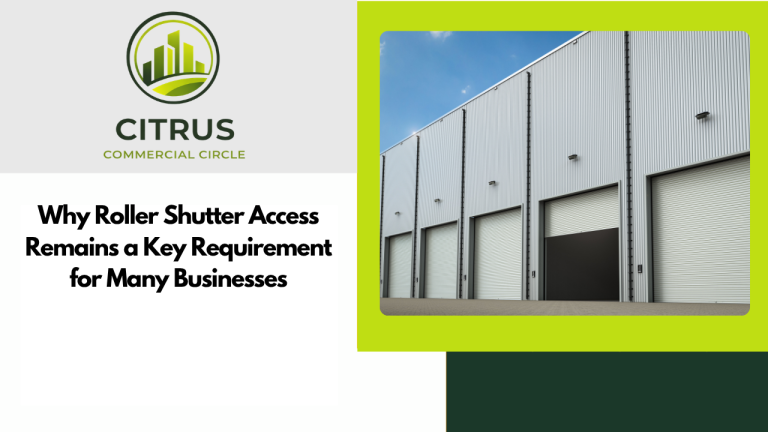
- Is there a roller shutter?
- What size is it?
The operational journey matters.
Visit During Working Hours
A quiet estate on Sunday afternoon can look completely different at 10am on Tuesday.
If the location is important, revisit it.
Look at:
- Traffic
- Parking
- Deliveries
This can reveal issues missed during the first viewing.
Motorway Access Should Be Tested
A brochure may say:
“Excellent motorway links.”
Drive the route.
A property may be geographically close to the M60, M62 or M66 but still require a slow journey through congested roads.
Location Affects More Than Deliveries
Employees need to reach the property.
Consider:
- Public transport
- Parking
- Walking routes
Transport for Greater Manchester provides local public transport information:
Recruitment Can Be Influenced by Premises
A growing business may need to recruit.
A difficult location can reduce the pool of employees willing or able to commute.
Property strategy and recruitment strategy can therefore be connected.
Customers May Need to Visit
If customers attend the premises, consider:
- Visibility
- Signage
- Parking
- Reception
A hidden industrial unit may be perfect for storage but poor for a customer-facing showroom.
Trade Businesses Need Convenience
For a trade counter, customers may be visiting between jobs.
They want:
- Quick access
- Easy parking
- Simple collection
Location and external space can therefore be more important than elaborate offices.
Security Should Match the Business
If the company stores:
- Tools
- Stock
- Vehicles
security may be critical.
Look at:
- Gates
- CCTV
- Fencing
- Lighting
Ask who controls access outside normal hours.
Check Access Hours
Some estates provide unrestricted access.
Others have:
- Gates
- Opening hours
A business operating early mornings or late evenings needs to understand this.
Power Is Critical for Some Occupiers
A basic storage company may require relatively little electricity.
A manufacturer may require substantial capacity.
If power is operationally important, investigate it before agreeing the property.
Do Not Rely Only on “Three-Phase”
Three-phase electricity being present does not necessarily mean there is sufficient capacity for the intended equipment.
Technical advice may be required.
Machinery Should Be Considered Before Signing
If the business needs:
- Compressors
- CNC equipment
- Vehicle lifts
- Production machinery
confirm that the building can support the installation.
This may involve:
- Power
- Floor loading
- Height
Landlord Consent May Be Required for Alterations
Tenants should not assume they can alter commercial premises however they wish.
Potential works might include:
- Mezzanine
- Extraction
- New doors
- Signage
The lease may require consent.
Discuss Essential Alterations During Negotiation
If the business cannot operate without a particular installation, raise it before committing.
Do not leave a critical requirement until after completion.
A Licence to Alter May Be Needed
Certain tenant works can require formal landlord approval and legal documentation.
Allow time and cost for this where applicable.
Fit-Out Costs Can Be Significant
A property with affordable rent may require substantial expenditure before opening.
Possible costs include:
- Flooring
- Lighting
- Offices
- Racking
- Electrical work
Obtain quotations early.
Compare Ready-to-Occupy Against Cheaper Shell Space
Suppose:
Property A
Rent £40,000.
Minimal works required.
Property B
Rent £32,000.
Requires £60,000 fit-out.
Property B is not automatically cheaper.
Consider the full occupation period.
Rent-Free Periods Can Help With Fit-Out
Commercial landlords sometimes offer rent-free incentives depending on:
- Property
- Lease length
- Market
These are negotiated rather than automatic.
Understand Exactly When the Rent-Free Period Applies
Does it begin:
- On lease completion?
- After landlord works?
Make sure the agreed position appears correctly in the legal documents.
The Lease Length Matters
A first-time commercial tenant may be nervous about committing for many years.
That is understandable.
But landlords also need income certainty.
The appropriate lease length depends on the circumstances.
A Short Lease Is Not Automatically Better
A business may spend £100,000 fitting out premises.
A very short lease could leave insufficient time to recover that investment.
Lease length should align with the business plan.
Break Clauses Can Provide Flexibility
A break clause can allow the tenant or sometimes either party to end the lease at a specified point, subject to the agreed conditions.
The precise wording matters.
Take legal advice.
Understand Rent Reviews
Longer leases may include rent-review provisions.
Businesses should understand:
- When reviews occur
- How rent is assessed
Do not focus only on the starting rent.
Repair Obligations Are One of the Biggest Differences From Residential Renting
Commercial tenants can take substantial responsibility for property repair.
This can surprise first-time occupiers.
Full Repairing Obligations Need Careful Consideration
Depending on the lease, a tenant may be responsible for keeping or putting the property into repair.
This can potentially include significant elements.
Take legal and surveying advice.
Inspect Condition Before Signing
Do not wait until after occupation to discover:
- Roof leaks
- Damp
- Broken shutters
A professional building survey may be appropriate depending on the property and lease obligations.
Consider a Schedule of Condition
Where agreed, a Schedule of Condition can record the state of the premises at the beginning of the lease.
Its legal effect depends on the lease wording.
Your solicitor and surveyor can advise.
Dilapidations Can Matter at the End
Commercial tenants may have obligations to:
- Repair
- Reinstate alterations
- Redecorate
before leaving.
Think about the end of the lease before signing the beginning.
Signage Should Be Discussed
Businesses naturally want customers to find them.
But signage may require:
- Landlord consent
- Planning consent
Do not assume any sign can simply be installed.
Broadband Should Be Checked Before Moving an Office
A business dependent on:
- Cloud software
- VoIP
- Video calls
should verify connectivity.
Do not rely entirely on the previous occupier’s experience.
Mobile Signal Can Matter Too
Test the building.
Some industrial buildings can have poor internal mobile reception.
That may affect:
- Staff
- Payment systems
- Operations
depending on the business.
Heating Costs Can Surprise Occupiers
A huge warehouse can be expensive to heat.
Ask whether the business genuinely needs the entire space heated.
Some industrial operations may use localised heating strategies, subject to suitable professional advice.
EPC Information Is Worth Reviewing
Commercial buildings generally require an Energy Performance Certificate in relevant circumstances.
Current official guidance is available from GOV.UK.
https://www.gov.uk/buy-sell-your-home/energy-performance-certificates
Insurance Responsibilities Need to Be Understood
The landlord may insure the building.
The tenant may still need its own cover for:
- Contents
- Stock
- Public liability
Speak to an appropriate insurance adviser.
Fire Safety Is an Operational Responsibility
Businesses need to understand their responsibilities for fire safety within occupied premises.
The government provides official workplace fire-safety guidance:
https://www.gov.uk/workplace-fire-safety-your-responsibilities
Do Not Assume the Landlord Handles Everything
Commercial occupation generally involves more responsibility than residential renting.
The lease should explain the allocation of responsibilities.
Ask for the Draft Lease Early
Do not leave legal review until the day before intended occupation.
Give your solicitor enough time to review it properly.
Use a Solicitor Experienced in Commercial Property
Commercial leases can contain significant obligations.
Professional legal advice is important.
The Law Society provides a solicitor search service:
Heads of Terms Are Important
Before lease drafting, key commercial points are commonly recorded in Heads of Terms.
These may include:
- Rent
- Lease length
- Break
- Deposit
- Rent-free period
Read them carefully.
Correct Mistakes Before Legal Drafting
If the Heads of Terms say:
Five-year lease
but you agreed:
Five years with a tenant break at year three
raise it immediately.
Early corrections are easier.
Do Not Rely on Verbal Promises
The agent says:
“The landlord is happy for you to install a mezzanine.”
Make sure the relevant approval process is properly documented.
Commercial property transactions need clarity.
Ask Questions
First-time tenants sometimes worry that questions make them appear inexperienced.
Ask anyway.
Questions are cheaper than mistakes.
Useful Questions at a Viewing
Ask:
- What is the rent?
- Is VAT applicable?
- What is the service charge?
- How many parking spaces?
- What access is included?
- What is the lease length?
- What deposit is required?
- What utilities are available?
The answers help compare properties properly.
Take Photographs and Notes
After viewing six industrial units, they can blur together.
Record:
- Strengths
- Weaknesses
- Costs
- Required works
A simple comparison table can make the decision more objective.
Bring the Right People to a Second Viewing
Depending on the business, consider bringing:
- Operations manager
- Electrician
- Contractor
They may notice issues the business owner misses.
Test the Property Against a Normal Working Day
Imagine:
8:00am – staff arrive.
Where do they park?
9:00am – delivery arrives.
Where does it unload?
1:00pm – courier arrives.
Can they access the building?
5:30pm – staff leave.
Is the site secure?
This exercise can expose practical weaknesses.
Do Not Be Distracted by Cosmetic Appearance
Fresh paint is attractive.
But for many businesses, these matter more:
- Dry roof
- Good power
- Secure yard
- Functional shutter
Prioritise fundamentals.
Equally, Do Not Ignore Staff Environment
A warehouse may function brilliantly operationally.
But if employees spend eight hours a day there, consider:
- Toilets
- Kitchen
- Heating
- Lighting
Staff experience matters.
Understand What Happens When You Make an Offer
A commercial offer may cover more than rent.
It can include:
- Proposed rent
- Lease term
- Break
- Rent-free period
- Deposit
- Works
Think about the whole package.
The Lowest Offer Is Not Automatically the Best Strategy
A landlord may prefer another applicant offering stronger:
- Covenant
- Lease length
- Deposit
Commercial negotiation is broader than headline rent.
Present the Business Professionally
If you want a landlord to choose your company, provide a clear proposal.
Explain:
- Business activity
- Trading history
- Intended use
- Timing
This builds confidence.
Be Realistic About Timing
A commercial property transaction can involve:
- Heads of Terms
- Legal drafting
- Surveys
- Planning
Do not promise your existing landlord or customers a move date before understanding the process.
Avoid Committing to Fit-Out Contractors Too Early
Until the legal position is sufficiently certain, irreversible commitments can create risk.
Coordinate property, legal and fit-out programmes carefully.
Moving Day Is Not the End
Once the lease completes, organise:
- Utilities
- Insurance
- Internet
- Security
A structured occupation checklist helps.
Record Meter Readings
At handover, record relevant:
- Electricity
- Gas
- Water
meter readings where applicable.
Photographs can provide a useful record.
Keep Your Lease Documents
Create a digital property file containing:
- Signed lease
- Schedule of Condition
- Plans
- Licences
These documents may be needed years later.
Diary Important Lease Dates
Record:
- Break notice dates
- Rent reviews
- Lease expiry
Do not rely on memory.
Review the Property as the Business Grows
Your first commercial property may not be your last.
Every year, ask:
Does this building still support the business?
That helps identify future property needs before they become urgent.
Citrus Commercial Circle’s Market Insight
At Citrus Commercial Circle, we regularly speak with businesses moving into commercial premises for the first time.
One of the most important pieces of advice is simple:
Do not judge a commercial property by rent and square footage alone.
Understand how the building will support the business.
A slightly smaller property with:
- Better yard
- Better power
- Better access
may work far better than a larger, cheaper alternative.
Likewise, understanding the lease before signing can prevent expensive surprises later.
Your first commercial property should help the business grow.
It should not become a constraint because important questions were overlooked at the beginning.
Final Thoughts
Renting your first commercial property is a significant business decision.
Before committing, understand:
- Space
- Layout
- Location
- Parking
- Access
- Power
- Total cost
- Lease obligations
Take appropriate professional advice and ask questions early.
Commercial property can provide a business with:
- Capacity
- Credibility
- Efficiency
- Room to grow
But only when the property fits the operation.
Choose the building for the business you are building, not simply because it is the first unit that appears affordable.
At Citrus Commercial Circle, we help businesses across Bury and North Manchester find commercial premises that match their operational requirements, growth plans and property budgets.
Based in Bury. Active across North Manchester. Always on your side.
Call us today: 0161 383 1806
Email: info@citruscommercialcircle.co.uk
Visit: citruscommercialcircle.co.uk
Let’s unlock the full potential together.
Citrus Commercial Circle – Where standards meet success.