

Why Old Mills Are Still Creating New Commercial Property Opportunities
Across Greater Manchester and the wider North West, old mills remain one of the most distinctive parts of the commercial property landscape.
For some investors, they can look like difficult buildings.
They may be large.
They may be old.
They may require substantial maintenance.
Their layouts can be unusual.
Their energy performance may need improvement.
Yet these same characteristics can also create opportunity.
Historic industrial buildings often offer something that is increasingly difficult to replicate:
Scale.
Character.
Substantial floorplates.
High ceilings.
Large sites.
Established locations.
For commercial property investors, landlords and developers, the question should not simply be:
“Is this an old building?”
It should be:
“What could this building become?”
Why mills remain relevant to modern commercial property
Many former mills were constructed for intensive industrial activity.
They were designed to accommodate:
- Machinery
- Large workforces
- Storage
- Production
That means they often contain substantial structures and generous internal space.
The original use may have disappeared decades ago, but the building itself can remain commercially useful.
North Manchester has a particularly strong mill legacy
Areas including Bury, Rochdale, Oldham, Bolton and parts of North Manchester contain significant historic industrial property.
These buildings are reminders of the region’s manufacturing past.
But increasingly, they are being reconsidered as assets capable of accommodating entirely different commercial uses.
Older buildings can provide space that is difficult to recreate affordably
Constructing a new commercial building is expensive.
Land values, materials, labour and infrastructure all contribute to development cost.
An existing mill may already provide tens of thousands of square feet of accommodation.
The challenge is determining whether that space can be adapted economically.
Floor loading can be an advantage
Some mills were designed to support heavy machinery.
That can result in substantial structural capacity.
This may appeal to occupiers requiring:
- Storage
- Workshops
- Light manufacturing
However, investors should never assume historic structural strength automatically means the building is suitable for a modern use.
A structural engineer should assess the property where appropriate.
Ceiling height can create flexibility
Older industrial buildings may offer generous floor-to-ceiling heights.
That can support uses including:
- Studios
- Workshops
- Gyms
- Production spaces
In some buildings, height may also create opportunities for mezzanine installations subject to structural, planning, lease and Building Regulations considerations.
Large windows can be a major feature
Many historic mills contain substantial window openings.
For manufacturing this originally supported natural light.
Today, it can create attractive accommodation for:
- Creative businesses
- Offices
- Studios
- Leisure uses
Natural light can dramatically change the perception of an older commercial building.
Character can become a commercial advantage
New-build property offers many benefits.
But it can sometimes lack individuality.
Historic brickwork, exposed structures and large windows can create a distinctive environment.
Businesses increasingly consider premises as part of their identity.
An unusual building can therefore become part of:
- Branding
- Recruitment
- Customer experience
Creative industries often value distinctive space
Businesses in areas such as:
- Design
- Photography
- Media
- Architecture
- Fashion
may be attracted to accommodation that feels different from a conventional business park.
Historic commercial buildings can offer that character.
Fitness and leisure can suit large open spaces
Old industrial property can sometimes be adapted for:
- Gyms
- Padel
- Indoor sports
- Dance studios
These uses often require:
- Large floor areas
- High ceilings
- Flexible layouts
However, planning, parking, noise, fire safety and building condition all need careful consideration.
Self-storage can be another possible use
Large former industrial buildings may also have characteristics suited to storage.
These can include:
- Large floor areas
- Good access
- Robust construction
However, upper floors may create limitations around loading, customer movement and floor capacity.
The economics need proper analysis.
Workshops can keep buildings close to their original purpose
Not every mill needs a dramatic conversion.
Some can continue serving industrial or workshop occupiers.
Smaller businesses may value affordable units within larger buildings.
This can create multi-let opportunities.
Multi-let conversion can unlock value
A 50,000 sq ft building may be difficult to let to one occupier.
Dividing it into smaller units can potentially broaden the tenant market.
Possible occupiers may include:
- Makers
- E-commerce businesses
- Storage users
- Light manufacturers
This can diversify income.
But subdivision is not simply partitioning the floor
Creating multiple commercial units can involve:
- Fire separation
- Access
- Utilities
- Toilets
- Metering
The cost and complexity should be assessed carefully.
Independent access can significantly improve lettability
If each unit can have its own entrance, the property may be easier to manage.
Separate access can support:
- Longer operating hours
- Security
- Deliveries
Buildings with only one shared entrance can be more difficult to divide.
Fire strategy can determine what is possible
Older multi-storey buildings require particular attention to fire safety.
Potential issues include:
- Escape distances
- Compartmentation
- Staircases
- Fire doors
- Alarm systems
Any change in layout or use should be assessed by competent professionals.
Official guidance is available through the Health and Safety Executive and GOV.UK.
Lifts can increase the usefulness of upper floors
One common challenge with multi-storey mills is accessing upper levels.
A passenger lift may help office or studio use.
A goods lift can make a significant difference to storage or light industrial occupiers.
Investors should establish:
- Whether lifts exist
- Their capacity
- Condition
- Maintenance history
A goods lift can materially influence rent
Two otherwise similar upper-floor spaces may perform very differently if one has practical goods access.
This is particularly important for businesses moving stock or equipment.
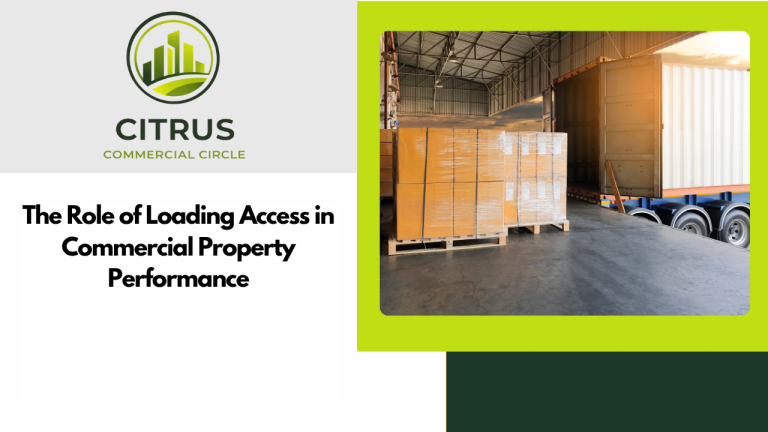
Loading arrangements need close attention
The property may have substantial internal space but poor external logistics.
Check:
- Loading doors
- Yard size
- HGV access
- Turning areas
Historic layouts were not designed around every modern vehicle requirement.
Yard space can be more valuable than extra internal floor area
A mill with 100,000 sq ft but almost no parking or yard may be difficult for some occupiers.
A slightly smaller building with excellent external space could be more practical.
Investors should assess the site as a whole.
Parking can determine future use
Certain uses generate significantly more parking demand than others.
For example:
Warehouse use may require relatively modest employee parking.
Office or leisure conversion may require substantially more.
Planning authorities may consider transport impacts when uses change.
Public transport can improve conversion potential
Some historic mills were constructed close to established communities.
That can mean access to:
- Bus routes
- Town centres
- Rail
- Metrolink connections in some areas
For employment-heavy uses, accessibility can become a significant advantage.
Residential conversion attracts attention, but it is not the only strategy
Old mills are frequently discussed in the context of apartments.
Residential conversion can certainly create opportunities in appropriate circumstances.
But investors should not automatically assume housing is the highest-value solution.
Commercial options may include:
- Offices
- Storage
- Studios
- Leisure
The best strategy depends on location, planning and demand.
Mixed-use can sometimes make more sense
A large site may support a combination of uses.
For example:
Ground floor:
Commercial or leisure.
Upper floors:
Office or residential, where appropriate.
External yard:
Parking or servicing.
Mixed-use strategies can diversify value but increase development complexity.
Planning history should be investigated early
Before developing an ambitious scheme, investors should investigate:
- Existing lawful use
- Historic permissions
- Planning conditions
The Planning Portal provides general guidance on planning matters in England.
Local planning authority information should also be reviewed.
Listed status can fundamentally change the project
Some historic mills may be listed or located within conservation areas.
That does not prevent development.
But it can affect:
- Windows
- Roofs
- Alterations
- Extensions
Historic England provides information about listed buildings and heritage considerations.
Heritage can create both constraint and value
A protected feature may restrict alterations.
But historic character can also increase the attractiveness of the finished scheme.
The aim should be to work with the building rather than simply fighting its history.
Structural condition requires serious investigation
Older commercial buildings can contain problems not immediately visible during a viewing.
Potential issues might include:
- Roof deterioration
- Timber decay
- Steel corrosion
- Movement
- Water penetration
A detailed building survey is therefore important.
Roof area can be enormous
Large mills can have substantial roofs.
This means repair or replacement costs can be significant.
Investors should understand:
- Roof type
- Condition
- Previous repairs
- Remaining life
A relatively small cost per square metre becomes substantial across a very large roof.
Roofs may also create energy opportunities
Large roof areas can potentially support solar PV where:
- Structural capacity
- Orientation
- Roof condition
- Grid arrangements
are suitable.
The project should be assessed by appropriate specialists.
Windows can be another major cost centre
Historic mills may contain hundreds of windows.
Replacing or refurbishing them can become one of the largest components of a redevelopment budget.
Investors should not underestimate:
- Frames
- Glazing
- Access
- Heritage requirements
Energy efficiency can be challenging
Older buildings were not generally designed around modern energy expectations.
Potential issues can include:
- Poor insulation
- Single glazing
- Air leakage
- Inefficient heating
But improvements can often be made as part of a broader refurbishment.
Do not destroy character unnecessarily
There is a balance.
Improving energy performance is important.
But removing every historic feature can undermine what makes the property attractive.
Good design attempts to retain character while improving performance.
Heating strategy should match the intended use
A warehouse may require limited heating.
An office conversion may require significantly more sophisticated services.
Changing use can therefore dramatically alter infrastructure requirements.
Electrical capacity may need upgrading
Historic buildings may contain electrical systems that have evolved over decades.
Investors should establish:
- Current supply
- Distribution
- Capacity
Modern occupiers may have significant power requirements.
Digital connectivity is increasingly important
Creative, office and e-commerce tenants depend heavily on reliable broadband.
If the redevelopment strategy targets these sectors, fibre availability should be investigated early.
Drainage can reveal hidden problems
Older sites may have:
- Historic drainage
- Combined systems
- Unknown connections
Redevelopment may increase demand on those systems.
CCTV drainage surveys and utility investigations can be useful.
Contamination needs consideration
Industrial history can create environmental risk.
Past activities may have involved:
- Oils
- Chemicals
- Fuel
Investors should obtain appropriate environmental searches and specialist advice where required.
The Environment Agency provides information relating to environmental matters in England.
Asbestos is common in older commercial property
Buildings constructed or altered before 2000 may contain asbestos-containing materials.
Refurbishment or demolition can disturb those materials.
The HSE provides official asbestos guidance.
Asbestos does not automatically make redevelopment impossible
The issue is identifying and managing it correctly.
Costs can often be incorporated into the development budget once the extent is known.
Unknown asbestos is more problematic than known asbestos.
Phase development can reduce risk
A very large mill may not need complete redevelopment at once.
Investors can sometimes refurbish in stages.
For example:
Phase 1:
Ground floor units.
Phase 2:
First floor.
Phase 3:
Remaining areas.
This can spread capital expenditure and allow early income to support later works.
Letting during refurbishment can provide market evidence
Rather than completing an entire scheme based on assumptions, landlords may test demand with initial units.
If smaller workshops let quickly, this provides evidence.
The next phase can then be adjusted accordingly.
Flexible space can widen the market
Instead of creating highly specialised units, developers may create adaptable accommodation.
This might appeal to:
- Storage
- Studio
- Workshop
- Office
Flexibility reduces reliance on one occupier type.
Smaller units can increase rental rates per square foot
A large floor might achieve a relatively modest rate if let to one occupier.
Subdividing into smaller units can sometimes achieve stronger rates.
But investors must balance this against:
- Higher fit-out costs
- Greater management
- Common areas
- Void risk
Headline rental rate alone does not determine profitability.
Common areas consume space
Stairs, corridors, toilets and receptions may be required when a building is subdivided.
Not every square foot remains income-producing.
Development appraisals should use realistic net lettable areas.
Service charges need clear planning
Multi-let buildings create shared costs.
These may include:
- Lighting
- Cleaning
- Lifts
- Security
- External maintenance
The service-charge structure should be considered before leases are drafted.
Metering can prevent disputes
Separate utility meters can make multi-let properties easier to manage.
Where possible, investors should consider how:
- Electricity
- Water
- Heating
will be measured or allocated.
Security can be improved significantly
Older mills can sometimes feel insecure because of:
- Multiple entrances
- Large sites
- Redundant areas
Modern security measures can include:
- CCTV
- Access control
- Secure gates
- Lighting
These upgrades can materially improve occupational appeal.
Empty areas should be controlled
A partially occupied mill may contain unused floors.
Landlords should ensure vacant areas remain:
- Secure
- Inspected
- Insured appropriately
Otherwise, these spaces can become liabilities.
Insurance during redevelopment needs careful attention
Vacant or partially refurbished property may carry different risk from a fully occupied building.
Insurers should be informed about relevant changes and works.
Never assume an existing policy automatically covers a major refurbishment programme.
Construction sequencing can affect existing tenants
Some landlords redevelop mills while tenants remain in occupation.
This can work.
But construction may create:
- Noise
- Dust
- Access disruption
Proper phasing and communication become essential.
The first successful tenants can change market perception
A previously tired building may struggle to attract occupiers.
Then one good refurbishment completes.
A recognisable business moves in.
The site begins to look active.
Suddenly, later units can become easier to market.
Momentum matters.
Branding the building can help
Large historic properties can operate almost like commercial estates.
A clear identity can support:
- Signage
- Marketing
- Wayfinding
Instead of being viewed as an old mill, the property can become a recognised business destination.
Anchor tenants can create confidence
A strong early occupier can increase credibility.
Other businesses see that:
- Companies are investing in the site
- The building is functioning
- Management is active
This can support subsequent lettings.
Local food and leisure can create additional demand
Larger redevelopment sites may be able to support complementary occupiers such as:
- Cafés
- Gyms
- Convenience retail
These services can improve the experience for businesses already occupying the site.
Mills can become employment hubs
Rather than housing one historic manufacturer, a building may eventually accommodate dozens of SMEs.
That changes the property’s economic role.
A former factory can become a modern business community.
Consider whether unused external land exists
Historic industrial sites often include:
- Old loading areas
- Redundant service yards
- Former ancillary buildings
Some of this land may have development potential.
Investors should review the entire title rather than focusing only on the main building.
Standalone units could sometimes be added
Subject to planning and feasibility, surplus land may potentially accommodate:
- Small industrial units
- Trade counters
- Storage compounds
This can diversify the asset.
Do not compromise the main building
Any new development should protect:
- Access
- Parking
- Loading
- Fire routes
Creating one new rental unit is not worthwhile if it makes the original property significantly harder to let.
Title matters
Historic sites can have complex legal arrangements.
Investors should examine:
- Boundaries
- Rights of way
- Access rights
- Restrictive covenants
HM Land Registry information can form part of the legal due-diligence process.
Historic ownership can create unusual rights
A site may have been split repeatedly over generations.
That can create:
- Shared roads
- Utility rights
- Access agreements
These should be understood before redevelopment.
Development value comes from solving problems
Old mills are rarely completely straightforward.
That is often why the opportunity exists.
The value can come from solving:
- Poor presentation
- Vacancy
- Inefficient layout
- Outdated services
An investor who can resolve those issues may create a substantially stronger asset.
Cheap purchase price does not necessarily mean cheap development
A very low acquisition price can be attractive.
But investors should consider the total project cost.
Purchase:
£1 million.
Works:
£2 million.
Professional fees:
£300,000.
Finance and holding costs:
Additional.
The relevant figure is total capital required, not simply acquisition price.
Cost plans should include contingency
Older buildings can uncover surprises once work begins.
Development budgets should therefore include appropriate contingency rather than relying on perfectly predictable costs.
Professional teams matter
Complex mill projects may require:
- Architect
- Structural engineer
- Building surveyor
- Planning consultant
- M&E consultant
- Quantity surveyor
The appropriate team depends on the project.
Trying to save professional fees at the wrong stage can create far greater costs later.
Start with feasibility before detailed design
Investors do not necessarily need to commission a complete scheme immediately.
An initial feasibility study can consider:
- Uses
- Access
- Planning
- Cost
- Rental potential
If the numbers do not work at a high level, expensive detailed design can be avoided.
Rental evidence should shape development
The scheme must ultimately attract occupiers.
If local businesses typically require 1,000–3,000 sq ft units, creating twenty 10,000 sq ft spaces may be questionable.
Talk to active commercial agents before finalising layouts.
Development should respond to demand, not fashion
A particular type of property may be fashionable nationally.
That does not automatically mean it works in every location.
Local occupational demand should drive the scheme.
North Manchester’s SME economy can suit flexible mill space
Across North Manchester, many businesses require practical, affordable commercial accommodation.
These can include:
- Trades
- E-commerce
- Engineering
- Creative businesses
Well-refurbished older property can provide suitable accommodation where the specification and pricing are right.
Character and affordability can be a powerful combination
New-build space may command premium rents.
A refurbished mill may offer:
- More space
- Distinctive character
- Lower occupational costs
For the right occupier, this can be highly attractive.
Investors should avoid competing directly with new build unnecessarily
An old mill does not need to become a poor imitation of a brand-new warehouse.
Its strengths may be different.
These might include:
- Character
- Flexible sizes
- Central location
- Affordability
Successful repositioning often emphasises those strengths.
Sustainability can favour reuse
Reusing existing structures can avoid some of the embodied carbon associated with complete demolition and reconstruction.
However, every project should be assessed individually.
Older buildings may require significant energy upgrades.
The strongest strategy considers both:
- Reuse
- Operational efficiency
Demolition can still sometimes be the right decision
Not every mill should be preserved.
If:
- Structure is poor
- Layout is unusable
- Repair cost is excessive
redevelopment may produce better long-term value.
Sentiment should not replace commercial analysis.
Compare three strategies
Investors can often test:
Strategy 1
Retain and let as existing.
Strategy 2
Refurbish and reposition.
Strategy 3
Redevelop substantially.
Comparing each option creates a more disciplined decision.
Do nothing is still a strategy
Sometimes the correct decision is maintaining the existing income.
Not every property needs aggressive redevelopment.
If a mill is fully let to reliable tenants at appropriate rents, major intervention may destroy more value than it creates.
Lease events can create future opportunities
An investor may buy a partially occupied mill knowing that several leases expire over the next few years.
That can create opportunities to:
- Reconfigure floors
- Consolidate tenants
- Refurbish gradually
Lease expiry can therefore form part of the development strategy.
Existing tenants can be valuable
Do not automatically remove established occupiers because redevelopment looks more exciting.
Existing tenants provide:
- Income
- Security
- Market evidence
A phased scheme may allow good businesses to remain while improvements occur around them.
Long-term value can come from patient repositioning
Large commercial buildings do not always need a dramatic overnight transformation.
Incremental improvement can include:
Year one:
Roof and security.
Year two:
Ground-floor refurbishment.
Year three:
Upper-floor subdivision.
Over time, the asset can change substantially.
Investors should plan the exit before beginning
Possible exit routes might include:
- Sale as stabilised investment
- Refinancing
- Long-term ownership
The intended exit can influence how much capital should be invested.
A fully let multi-let mill can become an investment product
Once:
- Refurbishment is complete
- Income is stabilised
- Tenant mix is established
the property may appeal to investors seeking income.
Development can therefore transform an operationally difficult building into a more conventional investment.
Why these buildings continue to attract attention
Old mills combine challenges that discourage some buyers with opportunities that attract others.
They can offer:
- Large footprints
- Flexible layouts
- Established locations
- Redevelopment potential
The key is determining whether those advantages outweigh the risks.
Citrus Commercial Circle’s market insight
At Citrus Commercial Circle, we regularly work across areas where older industrial buildings remain an important part of the commercial property stock.
The mistake is viewing every old mill in the same way.
One may work perfectly as straightforward warehouse accommodation.
Another may suit smaller industrial units.
Another could have office, leisure or mixed-use potential.
The building itself is only part of the equation.
Investors also need to understand:
Location.
Access.
Structure.
Parking.
Services.
Tenant demand.
The strongest opportunities often exist where a property has good fundamentals but has been poorly presented, inefficiently configured or under-managed.
That is where commercial property expertise and active asset management can create value.
Final thoughts
Old mills are not automatically obsolete commercial property.
Many remain capable of providing useful and valuable accommodation for modern businesses.
Their future may involve:
- Industrial
- Storage
- Workshops
- Studios
- Leisure
- Offices
- Mixed-use
The correct strategy depends on the building.
Investors should begin with careful due diligence and feasibility rather than assumptions.
Understand the structure.
Understand the planning position.
Understand the local tenant market.
Understand the refurbishment cost.
Then ask whether the finished asset can produce enough income and value to justify the investment.
For the right building in the right location, yesterday’s industrial property can still become tomorrow’s commercial opportunity.
At Citrus Commercial Circle, we help commercial property owners and investors across Bury and North Manchester identify opportunities to reposition, market and unlock value from established commercial assets.
Based in Bury. Active across North Manchester. Always on your side.
Call us today: 0161 383 1806
Email: info@citruscommercialcircle.co.uk
Visit: citruscommercialcircle.co.uk
Let’s unlock the full potential together.
Citrus Commercial Circle – Where standards meet success.